What Makes Gutter Cleaning in Hackettstown a Home Maintenance Priority
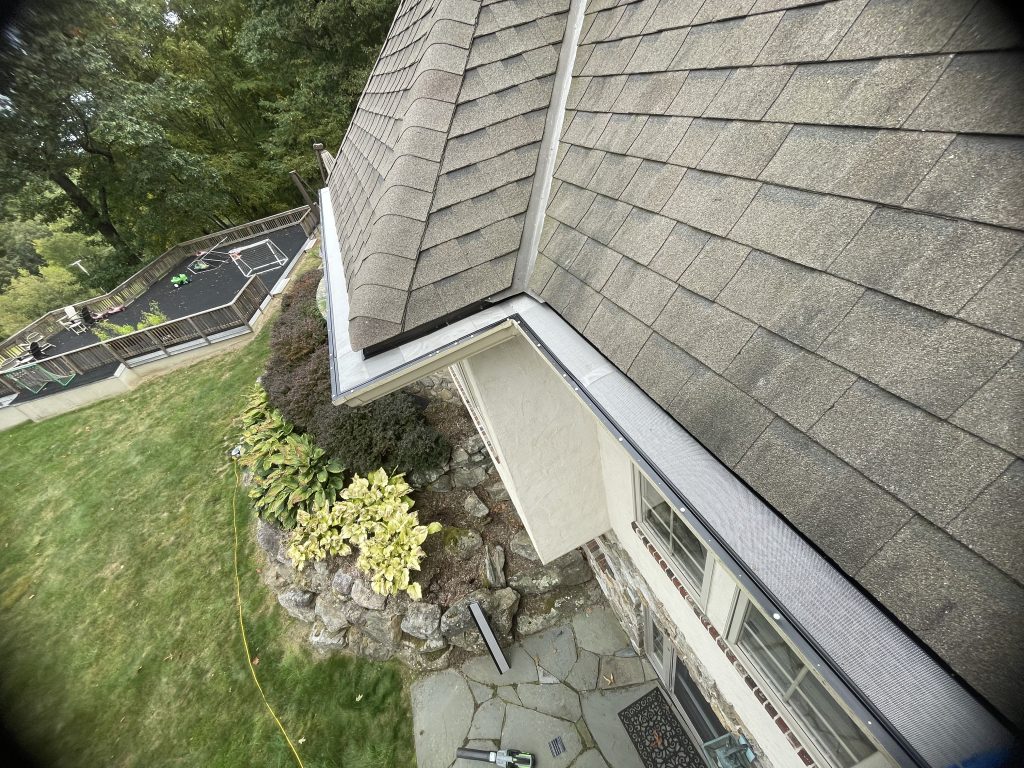
A lot of home maintenance tasks can wait a few weeks without much consequence. Gutter cleaning is rarely one of them, especially in a place like Hackettstown. When gutters clog, the problem does not stay at the roofline. Water spills over the edge, runs down siding, pools near the foundation, stains masonry, loosens mulch beds, and in colder weather can freeze into hazards that affect both the house and the people walking around it.
That chain reaction is why homeowners often underestimate gutters until they see damage in a spot that seems unrelated. A damp basement corner, peeling paint near a window, a rotted fascia board, or a patch of soil washing out beside the front walk can all trace back to a simple drainage issue overhead. In my experience, that is the pattern. Most people do not call because they enjoy preventative maintenance. They call after a heavy rain, when they hear water slapping against the siding or notice a waterfall pouring over the front entry.
Hackettstown homes face a mix of conditions that make regular gutter care more than just good housekeeping. Mature trees are common. Seasonal leaf drop can be heavy. Thunderstorms can dump water quickly. Winter introduces ice, freeze-thaw cycles, and the stress that trapped water puts on gutters and fasteners. The result is a maintenance item that deserves more attention than it usually gets.
Why gutters matter more than they seem
A gutter system has a simple job. It catches rainwater coming off the roof and directs it away from the house in a controlled way. That is all. Yet when it stops doing that job, the consequences spread into multiple parts of the property.
The first concern is volume. Even a modest roof sheds a surprising amount of water during an ordinary storm. On a strong rain day, thousands of gallons can move across the roof surface over the course of several hours. If the gutters are clear, that water enters the downspouts and exits at designated points. If they are packed with leaves, granules, twigs, and sludge, the flow slows down or stops. Water then looks for the next easiest path, and that path is almost always one you do not want.
Overflow is not just messy. It is forceful. Water repeatedly spilling over the same section can erode soil, damage foundation plantings, splash dirt onto siding, and wear out wood trim faster than age alone would. On homes with lower roof edges over decks, porches, or walkways, clogged gutters also create a practical nuisance. A front door should not feel like the entrance to a car wash every time it rains.
There is also the issue of weight. Wet debris is heavy. I have seen gutters sag simply because they stayed packed through weeks of rain. Add a winter freeze on top of that, and the system is carrying far more load than it was designed to handle. Spikes pull loose. Hidden hangers twist. Seams open up. By the time the gutter is visibly leaning, the problem has often been there for a while.
Hackettstown’s climate makes the timing matter
Some areas can get away with a more casual approach. Hackettstown is not one of them. The local pattern of wet springs, summer storms, autumn leaf drop, and winter freezing creates a year-round case for paying attention.
Spring often reveals what winter did. Gutters that held standing water through cold weather may have loosened at the corners or developed pitch issues. A gutter should slope enough to move water toward the downspout, but not so much that it looks crooked from the ground. After a rough winter, sections can settle just enough to leave puddles behind. Those puddles collect more debris, and the cycle worsens.
Summer brings growth. Trees drop seed pods, small sticks, blossoms, and helicopter seeds long before the main leaf season arrives. Strong thunderstorms can knock debris straight onto the roof and into the troughs. This is also when clogged downspouts become obvious, because water comes down faster and exposes any bottleneck.
Fall is the big one. In neighborhoods with mature maples, oaks, and other deciduous trees, gutters can go from mostly clear to packed in a short window. Cleaning too early can mean doing the job twice. Cleaning too late can mean carrying that debris load into winter, where it turns from an annoyance into a structural problem.
Winter changes the risk. Clean gutters do not prevent every ice issue, but clogged gutters make ice more likely and more damaging. When meltwater cannot move freely, it refreezes in the gutter and at the roof edge. That can contribute to ice buildup, added weight, and water working its way into places it should never reach.
The expensive damage usually starts small
One of the more frustrating parts of exterior maintenance is how minor neglect becomes major repair. Gutter problems are a textbook example. A handful of leaves does not seem serious. A season or two of buildup, though, can lead to repairs that cost far more than regular service ever would.
Fascia boards are especially vulnerable. They sit directly behind the gutter, and when water backs up or spills over repeatedly, wood stays damp longer than it should. Paint begins to fail. Wood fibers soften. In advanced cases, sections rot enough that the gutter fasteners no longer hold securely. At that point, cleaning alone is not the answer. The trim has to be repaired or replaced before the gutter can be properly reattached.
Foundation issues get more attention, but they often begin with something as simple as poor roof drainage. When water collects near the base of a house, it increases the moisture load around the foundation. Not every wet spot turns into a structural issue, of course, but chronic saturation is never helpful. It can worsen settlement-prone soils, contribute to seepage in basements or crawl spaces, and accelerate cracking in walkways and drive areas nearby.
Siding and masonry take a hit too. Overflowing gutters leave dark streaks on siding and can create splashback that drives dirt and moisture into lower wall sections. Brick and stone may look durable, and they are, but repeated saturation and freeze-thaw exposure can still shorten the life of mortar joints and surface coatings.
Trees are beautiful, and hard on gutter systems
Hackettstown has plenty of tree-lined streets and older properties where the canopy is part of the appeal. That beauty comes with a maintenance cost. Gutters do not clog only from leaves, and that surprises many homeowners.
Oak trees, for example, can be troublesome because they drop not just leaves but tassels, acorns, and fine debris that forms dense mats in troughs and elbows. Pine needles behave differently. They tangle, compact, and can work past some lower-quality guards. Maple seeds spin into gutters in spring and create blockages before most people even think about cleaning. Add roof granules from aging shingles, and you get a gritty sludge that settles at the bottom and holds moisture.
Homes that sit below overhanging limbs often need more frequent attention than homes in open exposure. Even the orientation of the roof matters. A valley that channels runoff from two slopes into one gutter section will see more debris and more water than a straight run on a simple roofline. That is why a one-size-fits-all schedule rarely works. The right frequency depends on the house, not just the calendar.
What homeowners often miss from the ground
From the yard, gutters can look fine while performing badly. That is one reason the issue gets postponed. If water is not actively pouring over during a storm, people assume the system is working. Sometimes it is not.
One common problem is a clogged downspout with a partially clear gutter above it. Water enters the trough and starts moving, but slows as it approaches the blockage. The gutter may not overflow until a heavier storm hits, which makes the problem seem random. Another subtle issue is improper pitch. A section can hold an inch of stagnant water for weeks. It may not be visible from below, but it will attract more sediment and encourage corrosion or biological growth.
Fasteners also loosen quietly. A gutter that has pulled away from the fascia by even a small amount can let water slip behind it. Instead of carrying water away, it starts feeding moisture directly onto the trim board. Homeowners sometimes interpret the staining below as a roof leak, when the real culprit is a drainage gap at the gutter line.
Then there are the elbows and underground drains. A downspout may appear clear where it meets the gutter, yet be blocked at the elbow near the ground or inside the buried extension. When that happens, the whole system backs up from the bottom. It is a good example of why proper Gutter Cleaning Hackettstown service should include more than scooping visible debris. The water path needs to be checked from roof edge to discharge point.
Timing matters more than most people think
People often ask when gutters should be cleaned, expecting a single month as the answer. Realistically, Hackettstown homes benefit from a schedule built around property conditions and weather patterns rather than a fixed date.
For many houses, once in late spring and once in late fall is a reasonable baseline. That works well if tree coverage is moderate and the roofline is straightforward. Properties with heavy tree cover may need an extra visit in early winter or after major storm activity. Homes near pines or with roof valleys that collect concentrated debris sometimes need spot attention between major cleanings.
The best timing for fall service is after the bulk of https://juliusrhsk225.iamarrows.com/the-benefits-of-regular-gutter-cleaning-in-hackettstown-1 leaf drop, but before freezing weather becomes routine. Wait too long and debris sits wet in the gutter as temperatures fall. Go too early and a second cleaning may still be necessary. There is some judgment involved, and local experience helps.
A few warning signs justify immediate attention regardless of season:
- Water spilling over the front or sides during rain
- Plants or weeds growing from the gutter trough
- Visible sagging or separation from the fascia
- Staining on siding below the gutter line
- Puddling near the foundation after storms
These signs suggest the system is already underperforming. At that point, delaying the work usually increases the chance that cleaning turns into repair.
The safety issue is real
Gutter cleaning is often treated as a simple weekend task, but it carries more risk than homeowners admit. Ladder accidents happen fast, especially on uneven ground, sloped driveways, or around landscaping beds where footing is less stable than it looks. Two-story sections, high peaks over garages, and areas above porches add complexity.
There is also the issue of technique. Reaching too far from a ladder is how many people get hurt. So is trying to move quickly while carrying tools, wet debris, or a hose. On some roofs, accessing gutters safely requires more than a basic extension ladder from the garage.
Even when the safety side is managed, there is the question of doing the job thoroughly. Cleaning the visible trough is only part of the work. Downspouts need to be checked and flushed. Hangers should be inspected. Seams should be looked at. The discharge area at the bottom should direct water far enough away from the foundation to be useful. Missing any of those pieces can leave the homeowner with the impression that the gutters were handled when the actual drainage problem remains.
Gutter guards help, but they are not a free pass
Many homeowners ask whether guards eliminate the need for cleaning. Sometimes the sales pitch makes it sound that way. In practice, gutter guards can reduce debris accumulation, but they do not make the system maintenance-free.
Performance depends heavily on the type of guard, the roof pitch, the nearby trees, and the quality of installation. Fine mesh products can do well against leaves and seed pods, but can still collect surface debris that needs to be brushed or blown off. Reverse-curve designs may struggle with certain rainfall intensities or debris types. Screens with larger openings may stop big leaves while allowing smaller material through.
Guards also make it easier for some problems to go unnoticed. A homeowner may assume the gutters are protected and skip inspections for years. Meanwhile, shingle grit, pollen, and fine organic matter can still build up inside. If a section settles or a downspout clogs, the cover does not solve that. It only hides it better.
That does not mean guards are a poor investment. On the right house, they can lower maintenance frequency and improve water flow reliability. They just work best when paired with periodic inspection rather than blind trust.
What a proper cleaning should include
A professional service should do more than remove the obvious mess. At minimum, the goal is to restore flow and identify developing issues before they become repairs. That means clearing gutter channels, opening and flushing downspouts, and confirming that water is discharging where it should.
A better visit also includes a practical visual review of the system and the roof edge. Small seam leaks, loose hangers, missing end caps, and standing water are worth catching early. So are signs that the roof is shedding excess granules, which can indicate shingle aging. No one should invent problems that are not there, but a trained eye can usually tell the difference between normal wear and a system that is starting to fail.
Cleanup matters too. A clean gutter job should not leave sludge on siding, debris in flower beds, or clumps of wet leaves scattered across the lawn. It sounds basic, but the difference between a rushed job and a careful one often shows up at ground level.
For homeowners comparing options, these are the details worth asking about:
- Are downspouts fully cleared and water-tested
- Is debris removed from the property, not just dropped below
- Will the contractor note loose fasteners or pitch problems
- Are hard-to-reach roof sections included in the quoted price
- Is the service timed around seasonal conditions, not just availability
Those questions reveal whether the work is truly maintenance or simply surface cleanup.
Cost is part of the equation, but so is value
People understandably want to know whether routine gutter service is worth the expense. On most homes, the math is straightforward. The cost of periodic cleaning is modest compared with replacing rotten fascia, repairing interior water staining, correcting drainage damage around the foundation, or rehanging a gutter system that has pulled loose under the weight of debris and ice.
Value also comes from predictability. Exterior maintenance is easier to budget when it is planned. Emergency repair is almost always more disruptive and more expensive. That is especially true when a gutter issue shows up in the middle of a storm season, when service demand is high and quick scheduling is harder to find.
Not every property needs the same level of service, and that is where honest assessment matters. A one-story ranch with minimal tree cover may need much less attention than a two-story colonial surrounded by mature oaks. The right approach is not the most aggressive one. It is the one that matches the conditions of the house.
Why this remains a priority in Hackettstown
Home maintenance priorities are usually shaped by what causes the most trouble when ignored. In Hackettstown, gutters sit high on that list because they affect so many other systems at once. Roof drainage influences siding, trim, walkways, landscaping, basements, and winter safety. It is a small piece of the house with a very large footprint when it fails.
That is why Gutter Cleaning Hackettstown is not just a cosmetic service or a seasonal chore to get around to when time allows. It is preventive maintenance in the most practical sense. It protects the envelope of the house, reduces avoidable water exposure, and helps prevent minor drainage issues from becoming major repairs.
Homeowners do not need to obsess over their gutters. They do need to respect what they do. A clear, properly pitched, well-secured gutter system quietly protects the home every time it rains. Most of the time, you never notice it. That is exactly the point.
Just Gutters LLC
Address: 262 Main St, Hackettstown, NJ 07840
Phone number: +12013319454
FAQ About Gutter Cleaning Hackettstown
How much should a gutter clean cost?
Professional gutter cleaning typically costs between $163 and $333, with a national average of around $210 to $250 for a standard-sized home.
What months should you clean gutters?
You should clean your gutters twice a year—once in late autumn (November to December) and once in late spring (April to May).
Is it worth paying for gutter cleaning?
Yes, paying for gutter cleaning is worth it because it prevents thousands of dollars in water damage, roof leaks, and structural repairs.