Why Ignoring Gutter Cleaning in Hackettstown Can Cost You More
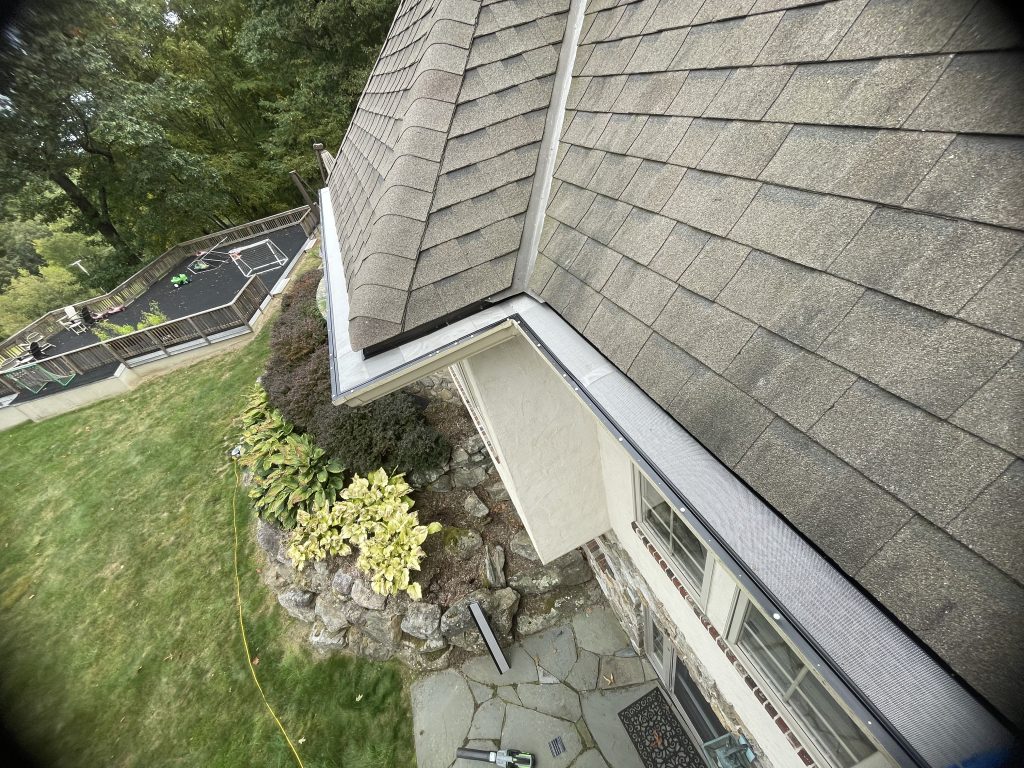

A lot of homeowners treat gutters like background hardware. They are up high, mostly out of sight, and easy to forget until something spills over the edge during a storm. By the time that happens, the real damage has often already started.
In Hackettstown, that neglect tends to get expensive faster than people expect. The town sees a full four-season cycle, which means spring pollen and seed drop, summer storms, heavy leaf buildup in fall, and ice concerns in winter. That combination is hard on any gutter system. When debris collects and water stops moving the way it should, the problem does not stay in the gutters for long. It spreads to fascia boards, roofs, siding, foundations, basements, walkways, and landscaping.
Homeowners often call for help because they notice one obvious symptom, usually water pouring over the side or a section of gutter pulling away from the house. But the visible issue is rarely the whole story. In practice, delayed Gutter Cleaning Hackettstown services often turn a manageable maintenance task into a much larger repair project. The frustrating part is that most of those costs were avoidable.
The job gutters are actually doing
Gutters are not decorative trim. They are part of the drainage system that protects the entire structure. Their purpose is simple, collect rainwater from the roof and move it safely away from the house through downspouts and extensions.
When that system works, water sheds cleanly away from the foundation and does not linger around vulnerable areas. When it clogs, water backs up, spills over, or sits in place. That standing water adds weight, attracts pests, stains surfaces, and finds weak points.
A surprising number of property problems start with poor drainage. I have seen homeowners spend thousands diagnosing leaks, repainting siding, replacing mulch, or patching basement moisture issues without realizing the root cause was overhead all along. Gutters are one of those systems that do not ask for much, but they absolutely punish neglect.
Hackettstown homes face a specific kind of wear
Local conditions matter. What works for a newer house on a clear lot in a dry climate may not be enough for an older Hackettstown home with mature trees and changing weather patterns.
Many neighborhoods in and around Hackettstown have established trees, and that is great for shade and curb appeal. It is not great for gutters. Oak, maple, pine, and similar trees all create different kinds of debris. Leaves mat together. Pine needles form dense clogs. Small twigs catch in elbows and downspouts. Seed pods and shingle grit add to the mess. Once damp material sits in the gutter channel, it compacts and gets heavier.
Then the seasonal shift makes things worse. A gutter that is merely sluggish in October can become a complete blockage by November. If water remains trapped as temperatures drop, it can freeze. Ice in gutters is not just inconvenient. It expands, strains seams, bends hangers, and can contribute to ice dam conditions at the roof edge.
That is why homeowners searching for Gutter Cleaning Hackettstown services are not just looking for cosmetic cleanup. They are trying to prevent a chain reaction caused by local weather and tree cover.
The first hidden cost, damage to fascia and roof edges
Overflowing gutters usually announce themselves with a dramatic spill during rain. What people do not see is what repeated overflow does behind the gutter.
Water that should be moving through the channel starts running back toward the fascia board, the trim mounted along the roof edge. If that wood stays wet long enough, it softens and rots. Paint fails. Nails loosen. Sections of gutter begin to sag because the material holding them is no longer sound.
Once rot sets in, the repair is no longer just a cleaning. Now you are looking at carpentry work, possible soffit repair, repainting, and reinstallation of the gutter section. If roof decking near the edge has taken on water, the cost climbs again.
This is one of the more frustrating repair categories because it often develops slowly and quietly. From the ground, the gutters may look more or less fine. Up close, the back edge can be holding moisture against the house week after week.
Foundation and basement issues are where the money really grows
A clogged gutter does not need to fail completely to create foundation trouble. Even a partial blockage can send enough water over the edge to saturate soil right beside the house.
That matters because foundations are not designed to handle repeated pooling at the perimeter. Water can seep through cracks, exploit weak joints, or raise moisture levels in basement walls and floors. On some properties, the first clue is a musty smell. On others, it is peeling paint, a damp corner, or a thin line of efflorescence on masonry.
People sometimes assume that basement moisture means they need a full waterproofing project. Sometimes they do. But sometimes the first and most obvious correction is fixing drainage from above. If roof runoff is dumping next to the foundation every time it rains, no dehumidifier is going to solve the real issue.
Foundation repairs, grading correction, interior drainage systems, and mold remediation all cost significantly more than routine gutter maintenance. That is the central financial argument here. Small neglect upstream becomes large expense downstream.
Landscaping damage adds up even when it looks minor
Many homeowners shrug off erosion or flattened flowerbeds because it seems like a minor annoyance. After all, mulch can be replaced. Plants can be reset. Soil can be regraded. But the costs accumulate, especially when the same trouble spot gets hit over and over.
When a clogged gutter overflows in one section, it acts like a concentrated waterfall. That force digs trenches into beds, splashes mud onto siding, drowns shallow-rooted plants, and washes mulch into walkways and driveways. If the overflow lands near an entry, it can create slick surfaces and freeze into a hazard in colder weather.
I have seen beautiful front beds undermined by one neglected downspout clog. The homeowner kept refreshing the mulch and replacing annuals without addressing the reason everything was getting blasted every storm. That is a common pattern. Cosmetic fixes rarely hold if the drainage problem remains.
Siding, brick, and exterior finishes pay the price too
Water is patient, and exterior surfaces are only durable up to a point. Vinyl siding can stain. Painted trim can bubble or peel. Brick can show mineral deposits. Wood elements can swell or decay. None of that happens instantly, which is why it catches people off guard.
Repeated splashback is especially hard on lower wall sections and corners near downspouts. Dirt and roof residue carried by overflow leave dark streaks. If the wall assembly behind the finish starts retaining moisture, repairs can move from surface cleaning into deeper work.
This is another area where delayed Gutter Cleaning Hackettstown service becomes deceptive. Homeowners may focus on washing the siding or touching up paint, not realizing those are symptoms. The source is often blocked water management above.
Pests love neglected gutters
A gutter packed with wet organic debris is an inviting habitat. Mosquitoes breed in standing water. Ants, wasps, and other insects explore damp wood and sheltered cavities. Birds pull nesting material from clogged channels. Rodents are attracted to easy pathways and protected gaps near rooflines.
Once pests get a foothold, the problem can spread into attics, soffits, and wall voids. At that point, the issue has moved beyond maintenance and into pest control and exclusion work. Again, that is a far more expensive path than regular cleaning.
There is also a timing factor. Pest issues tend to appear when homeowners are already busy dealing with seasonal changes. A blocked gutter in late spring or early summer does not stay an isolated drainage issue for long if water is pooling and debris is decomposing.
Winter raises the stakes
People often think of gutter cleaning as a fall chore, and fall is important, but winter is where prior neglect turns into structural strain.
If debris holds water in place and temperatures drop, that water freezes. Frozen mass is heavy. It can pull gutters loose, twist brackets, and stress seams. If the roof edge stays cold while heat escapes from the house, conditions may support ice dam formation, especially if the gutters are already obstructed.
Not every ice problem is caused by gutters alone. Attic insulation, ventilation, roof design, and weather all play a role. Still, clogged gutters https://jaspergmxi414.quantlynix.com/posts/why-ignoring-gutter-cleaning-in-hackettstown-can-cost-you-more absolutely make winter drainage worse. They limit the system’s ability to move meltwater away and increase the chance that water backs up where it should not.
Repairing storm-damaged gutters in winter or early spring is rarely convenient and never cheap. Access is harder, schedules are tighter, and hidden damage may not be fully visible until thaw.
Small warning signs most homeowners miss
The warning signs are usually there before major damage appears, but they are easy to dismiss if you are not looking for them.
Here are a few that deserve attention:
- Water spilling over the front edge during rain
- Plants or weeds growing in the gutter channel
- Dark streaks on siding below the roofline
- Gutters that sag, separate, or pull away at corners
- Pooled water near the foundation after storms
Any one of these can mean the system is failing. Sometimes the problem is a simple clog. Sometimes it is a pitch issue, loose fasteners, crushed downspouts, or aging materials. The key point is that waiting rarely improves the outcome.
Why DIY often turns into a half-fix
Some homeowners clean their own gutters, and in certain cases that makes sense. A one-story home with safe ladder access and light seasonal buildup is different from a steep roofline with second-story runs over hardscape and landscaping. The trouble is not that homeowners are incapable. The trouble is that gutter systems often fail in ways that are easy to miss from a ladder.
A typical DIY cleanout may remove visible leaves from the trough but leave compacted debris in the downspout, miss a poor slope, overlook loose hangers, or fail to catch early wood rot behind the gutter. There is also the basic safety issue. Ladder falls happen quickly, and they happen to people who are convinced they will only be up there for ten minutes.
Professional service tends to include more than debris removal. A thorough crew checks flow through the downspouts, clears elbows, looks for seam leaks, notes areas of standing water, and spots fasteners or sections that need attention. That diagnostic value matters. It is often the difference between maintenance and damage control.
The price comparison homeowners should think about
Routine gutter cleaning usually falls into the category of predictable maintenance. Repair work does not. The exact cost of service depends on house size, height, roof complexity, debris volume, and accessibility, so it is smarter to think in relative terms than to chase a universal number.
A cleaning visit is usually modest compared with replacing rotten fascia, repairing soffits, correcting drainage damage at the foundation, repainting water-stained exterior surfaces, or replacing a section of gutter that has torn away under excess weight. Add emergency timing or storm season demand, and those repair bills can jump.
There is also an indirect cost people underestimate, time. Coordinating multiple contractors, living with a damp basement corner, dealing with slippery walkways, or replacing damaged plants all draw from the same budget of time and attention. Preventive maintenance is not just cheaper on paper. It is less disruptive to daily life.
Timing matters more than people think
The right cleaning schedule depends on the property, not just the calendar. Two houses on the same street can need very different service frequency if one sits under dense tree canopy and the other is more open.
For many Hackettstown homes, the most practical plan is to inspect in spring and clean again in late fall, with additional service if tree coverage is heavy or storms have dropped unusual debris. Pine-heavy properties sometimes need more frequent attention because needles build up differently than broad leaves and are more likely to pack tightly in downspouts.
A smart service plan usually considers these factors:
- Tree density and type around the house
- Roof height and complexity
- Age and condition of the gutter system
- History of overflow or drainage trouble
- Whether basement or foundation moisture has been an issue before
There is no prize for stretching maintenance intervals too far. Houses tend to tell you what they need if you watch how they perform through the seasons.
Older homes need an extra level of judgment
Hackettstown has its share of older homes, and those properties often deserve more careful evaluation. Older fascia boards may be less forgiving. Historic trim details can be harder to repair or replace cleanly. Previous patchwork fixes may hide underlying problems such as improper slope, undersized downspouts, or aging brackets.
That does not mean older systems automatically need replacement. It means cleaning should be paired with inspection and practical judgment. Sometimes a simple tune-up extends the life of the existing system. Sometimes repeated clogs are signaling that the layout itself is part of the problem. A downspout may terminate poorly. A valley may dump too much water into one short run. One section may need adjustment rather than another basic cleanout.
Experience matters here because not every issue should be solved the same way. A good recommendation is not always the most expensive one. It is the one that fits the roof, the runoff pattern, and the condition of the house.
What homeowners gain from staying ahead of it
The biggest benefit of regular gutter maintenance is not that the gutters look tidy. It is that the rest of the house is protected quietly, storm after storm, without incident. Water goes where it is supposed to go. The basement stays drier. The beds hold their shape. The trim lasts longer. Winter causes fewer surprises.
There is a psychological benefit too. Homeowners who stay ahead of drainage issues usually spend less time reacting. They are not scrambling during the next heavy rain to figure out why a corner of the house suddenly looks like a waterfall. They are not discovering soft wood in spring that rotted all winter behind trapped debris. Maintenance replaces guesswork with predictability.
That is the core reason Gutter Cleaning Hackettstown should not be treated as an optional errand. In a climate with real seasonal swings and neighborhoods with mature trees, neglected gutters are not a minor oversight. They are often the first step in a much more expensive repair story.
The expensive part is rarely the gutter itself
When people hear "gutter problem," they often picture a simple fix at the roofline. The reality is more frustrating. The gutter is usually just the starting point. The real cost shows up in everything water touches after the system fails to carry it away.
That might mean carpentry at the eaves, moisture intrusion at the foundation, staining on the exterior, damage to plantings, pest activity, or winter strain that bends and tears hardware loose. None of those repairs feel connected when they happen months apart, which is one reason homeowners underestimate the role gutters play. But taken together, the pattern is easy to recognize.
A clogged gutter rarely stays a clogged gutter. Left alone, it becomes an overflow problem, then a moisture problem, then a repair bill. Staying ahead of it is not glamorous, but it is one of the more sensible ways to protect a home in Hackettstown.
Just Gutters LLC
Address: 262 Main St, Hackettstown, NJ 07840
Phone number: +12013319454
FAQ About Gutter Cleaning Hackettstown
How much should a gutter clean cost?
Professional gutter cleaning typically costs between $163 and $333, with a national average of around $210 to $250 for a standard-sized home.
What months should you clean gutters?
You should clean your gutters twice a year—once in late autumn (November to December) and once in late spring (April to May).
Is it worth paying for gutter cleaning?
Yes, paying for gutter cleaning is worth it because it prevents thousands of dollars in water damage, roof leaks, and structural repairs.